If you have seen the trailer of three monkeys crammed inside a minivan frantically yelling at each other while a banana-shaped bomb ticks down, you already have a feel for what BOMBANANA is. It is a three-player cooperative bomb-defusal party game where each monkey has a sensory limitation, and the entire experience hinges on how well your team can communicate under pressure. Understanding what kind of game BOMBANANA is matters because it completely changes how you approach it, since this is not a solo-friendly title and it demands a very specific group dynamic to shine. The game launched its demo on June 15, 2026, and the full release arrives September 2, 2026, so there is plenty of time to decide if this chaotic co-op experience belongs in your rotation. With the demo already out and the full launch just months away, now is the perfect time to dig into how the game's mechanics actually mesh together, and our Bombanana How The Game Works guide breaks down the core loop and role synergies that make that specific group dynamic either click or collapse.
The Core Concept Behind BOMBANANA
Free Mode vs. Level System: Designing Your Own Bombs
The demo's Free Mode lets you design custom bombs, while the Level System provides structured progression through pre-built challenges. The key difference is failure tolerance: Level System stages scale module complexity gradually, teaching wire-cutting logic before introducing timer-based pressure modules. Free Mode, however, allows you to stack multiple puzzle modules simultaneously—a common community practice is pairing a wire-sequence module with a memory module to simulate the full game's difficulty. The 97% Overwhelmingly Positive rating across 5,066 reviews suggests both modes satisfy different player types, but Free Mode is where most advanced communication systems get tested before applying them to ranked-style Level System runs.
The premise sounds simple on paper, but the execution creates pure chaos. You and two friends play as three monkeys, each with a different sensory handicap, and together you must defuse bombs inside a moving minivan that has been converted into a mobile bomb workshop. The twist is that no single player has all the information needed to solve the puzzle, so every defusal requires constant verbal coordination to piece together the full picture.
The three roles are what make BOMBANANA what kind of game is it such a compelling question to answer, because each position feels completely different:
-
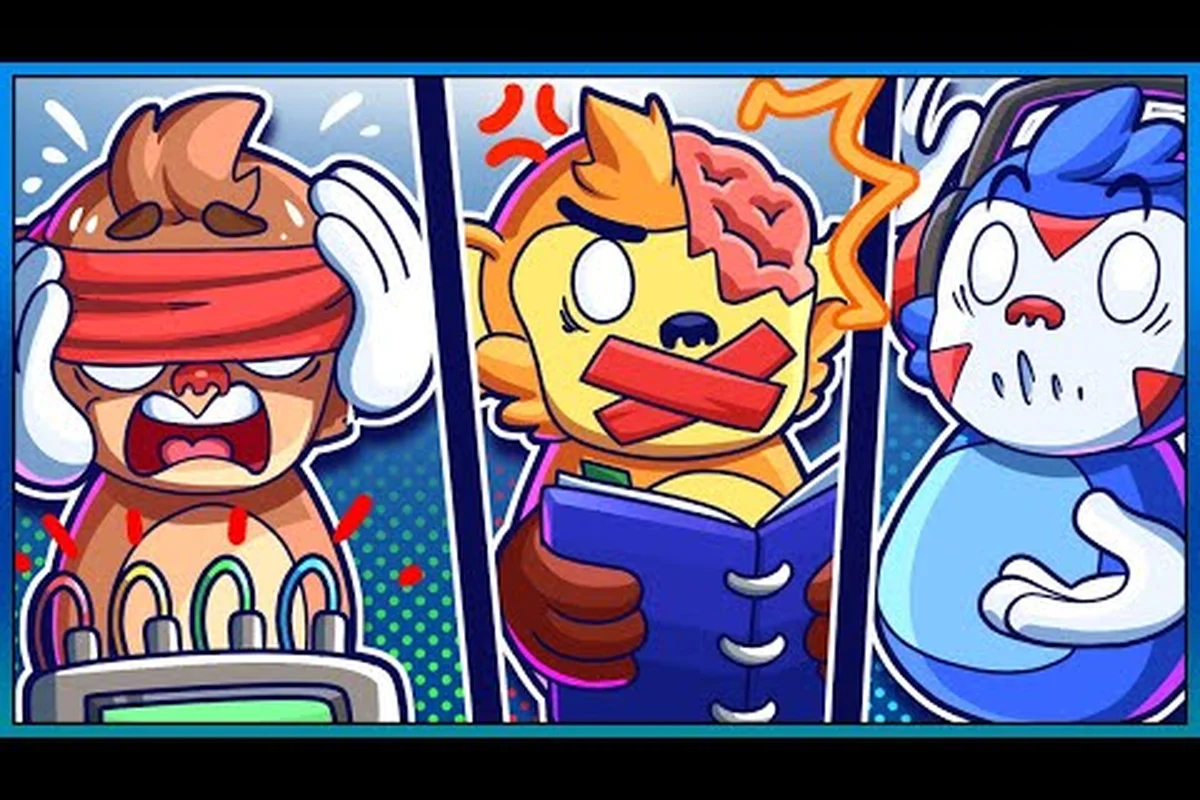
The Blind Monkey cannot see the bomb modules at all, so this player relies entirely on verbal descriptions from teammates to know what components are in front of them and what actions to take.
-
The Deaf Monkey can see everything but cannot hear any audio cues, which means this player misses the ticking sounds, alarm warnings, and any verbal instructions that are not accompanied by visual signals.
-
The Mute Monkey can see and hear perfectly but cannot speak, forcing this player to communicate through gestures, pointing, and physical actions that teammates must interpret in real time.
This asymmetric design creates a communication puzzle that sits on top of the mechanical bomb-defusal puzzle. According to the official Steam page, the game is described as an explosively funny co-op experience where each player only holds part of the information, and the developer Lefto Studio has clearly leaned into the comedy of miscommunication as a core design pillar. The minivan setting adds another layer, since the confined space means players are always in each other's faces, and the mobile workshop aspect suggests bombs keep coming while the van is on the move.
How the Bomb Defusal Mechanics Work
The defusal loop is where the game either clicks or falls apart, and understanding the mechanics is essential for anyone asking BOMBANANA is it worth it. Each bomb consists of multiple modules, and each module presents a puzzle that requires input from more than one player to solve. The timer is always running, and the pressure escalates because the blind monkey often has to perform physical actions while the deaf monkey reads the module states and the mute monkey tries to direct traffic without words.
The module types vary to keep the gameplay fresh, and the demo has already shown several distinct puzzle archetypes that players have documented in community discussions:
-
Wire Cutting Modules require the deaf monkey to identify wire colors while the blind monkey physically cuts them, with the mute monkey using hand signals to confirm which wire matches the sequence.
-
Symbol Matching Modules display rotating symbols that only the deaf monkey can see clearly, while the blind monkey must press buttons in a specific order dictated by the mute monkey's gestures.
-
Sequence Memory Modules flash patterns that the mute monkey memorizes, then the blind monkey must replicate the pattern while the deaf monkey verifies each step visually.
The Free Mode deserves special attention because it lets you design your own bombs, which the community has embraced as a way to create custom challenges that test specific communication skills. Players have reported that the puzzle modules scale in complexity based on how many modules you attach to a single bomb, and the Level System tracks your progression across successful defusals, unlocking new module types and bomb configurations as you improve.
The Role of Voice Chat in Gameplay
Voice chat is not just recommended in BOMBANANA, it is essentially mandatory for any serious attempt at defusal. The game includes built-in voice chat support, but the real magic happens when you use external communication tools with your friends because the mute monkey limitation creates hilarious workarounds. Players have developed elaborate gesture systems, and the community reports that establishing a consistent vocabulary for common actions dramatically improves your success rate.
The communication layer is what elevates BOMBANANA beyond a simple puzzle game, because the information asymmetry forces every player to actively listen and confirm understanding rather than passively following instructions. Teams that develop clear callouts for module states, wire positions, and button locations consistently defuse bombs faster, and this skill progression is deeply satisfying to experience with the same group over multiple sessions.
Comparing BOMBANANA to Other Party Games
The Mute Monkey's Non-Verbal Signaling System
The mute monkey cannot speak, so their entire contribution hinges on physical cues inside the minivan workshop. In practice, this means pointing at specific puzzle modules, tapping the bomb casing to signal urgency, and using a pre-agreed stomping rhythm—one stomp for "wire color," two for "timer reading." The official trailer shows the mute monkey physically dragging the deaf monkey's hand onto a specific wire, a technique that bypasses voice chat entirely. This role has the highest skill ceiling because every successful defusal depends on the mute monkey's ability to translate complex module states into unambiguous, repeatable gestures before the timer expires.
| Release / Milestone | Date | Platform | Key Details |
|---|---|---|---|
| Full game launch | September 2, 2026 | Windows 10/11 64-bit | Published by TARK, developed by Lefto Studio |
| Free demo release | June 15, 2026 | Windows, macOS | 5,066 reviews, 97% Overwhelmingly Positive rating |
| Demo features | June 15, 2026 | Windows, macOS | 3-Player Co-op, Asymmetric Roles, Puzzle Modules, Voice Chat, Level System, Free Mode |
| Official trailer debut | Pre-demo | YouTube | Showcases blind, deaf, and mute monkeys defusing a ticking banana bomb in a minivan |
When players ask what kind of game BOMBANANA is, the most useful comparison points are other asymmetric co-op titles that rely on communication breakdowns for entertainment. The game sits in a unique space because it combines the information asymmetry of games like Keep Talking and Nobody Explodes with the physical role-playing of games like Overcooked, but it adds a third layer of sensory handicaps that neither of those titles explore.
| Game | Player Count | Communication Style | Core Tension | Replayability |
|---|---|---|---|---|
| BOMBANANA | 3 players | Asymmetric roles with sensory limits | Missing information forces verbal coordination | High with Free Mode and custom bombs |
| Keep Talking and Nobody Explodes | 2+ players | One expert reads manual, one defuser acts | Knowledge gap between players | Moderate, manual becomes familiar |
| Overcooked | 2-4 players | Symmetric roles, coordination under time pressure | Kitchen chaos and order management | High with new levels and recipes |
| Among Us | 4-10 players | Deception and deduction | Trust and suspicion between players | High with social dynamics |
The three-player requirement is actually a differentiator rather than a limitation, because it creates a communication triangle where information must flow through multiple paths. In a two-player game, the dynamic is simpler, but with three players, the mute monkey becomes a physical intermediary who must translate visual information into actions without using words, which creates moments of pure comedy that players report are the highlights of their sessions.
The minivan setting also distinguishes BOMBANANA from other defusal games, since the confined space and mobile workshop concept suggest that the game may introduce moving elements or environmental changes during defusal in the full release. The demo focuses on stationary defusal, but the trailer hints at a narrative structure where the van travels between locations, which could add time pressure beyond just the bomb timers.
Is BOMBANANA Worth It for Your Group
The question of whether BOMBANANA is worth it depends heavily on your gaming group composition and communication style, because this is not a game that works well with strangers or in random matchmaking. The game requires a level of comfort and trust with your teammates that only comes from playing together regularly, since you need to develop shared vocabulary and understand each other's communication patterns.
The demo has already accumulated over 5,000 reviews with an Overwhelmingly Positive rating at 97%, which suggests the core loop resonates strongly with players who have the right group setup. The full release on September 2, 2026, promises additional content beyond the demo, and the developer has been active in the official Discord community gathering feedback on module design and difficulty balancing.
| Factor | Demo Experience | Full Release Expectations |
|---|---|---|
| Content Volume | Limited module selection and bomb configurations | Expanded module library and narrative structure |
| Difficulty Curve | Gentle introduction to roles and mechanics | Steeper challenges with complex module combinations |
| Replayability | Moderate, depends on friend group | High with Free Mode, level system, and custom bombs |
| Platform Support | Windows and macOS | Windows and macOS at launch, console potential unclear |
The Windows 10/11 64-bit requirement means older machines may struggle, but the game's art style is stylized rather than graphically demanding, so most modern systems should handle it without issues. The demo also runs on macOS, which broadens the potential player base, and the cross-platform compatibility means your friend group does not all need the same operating system to play together.
Who Should Skip This Game
Players who prefer solo gaming experiences or who do not have a consistent group of two friends to play with will likely find BOMBANANA frustrating rather than fun. The game has no single-player mode, and the design philosophy explicitly rejects the idea of playing with random teammates because the communication requirements are too demanding for pickup groups. If you are the type of player who enjoys optimizing solo runs or prefers competitive multiplayer, this cooperative communication game probably will not satisfy those preferences.
The game also requires a certain tolerance for chaos and failure, because miscommunication is baked into the design and you will lose bombs to silly misunderstandings. Players who get frustrated easily or who prefer precise, skill-based challenges may find the randomness of human error more annoying than entertaining. The community reports that the best sessions are the ones where everyone laughs at their mistakes rather than getting upset, so a lighthearted group attitude is essential.
Practical Tips for Your First BOMBANANA Session
Starting your first session with a clear plan will dramatically improve your experience, because the game does not hold your hand through the communication layer. The demo includes a basic tutorial that explains each role's abilities, but the real learning happens through trial and error with your team. Before you even load into your first bomb, establish some ground rules for how you will communicate, since this preparation pays off immediately.
-
Assign callout roles before each bomb starts, so everyone knows who is responsible for describing module states, who confirms actions, and who coordinates the overall sequence.
-
Develop a gesture vocabulary for the mute monkey, since consistent physical signals for "yes," "no," "left," "right," and "wait" will save precious seconds during tense defusals.
-
Practice with simple bombs first to build your team's communication rhythm, then gradually increase module complexity as everyone becomes comfortable with their roles.
-
Record your sessions for review, because watching your own miscommunications is both hilarious and educational, and you will spot patterns that are invisible during live play.
-
Rotate roles regularly so every player experiences each sensory limitation, which builds empathy and helps you understand what information your teammates actually need from you.
The Mobalytics beginner guide offers additional structured advice for new teams, and the community has compiled extensive strategy discussions in the official Discord server. Players report that the first few bombs will likely end in explosions, but the improvement curve is steep, and most teams successfully defuse their first bomb within an hour of practice. The sense of accomplishment when your team finally clicks and defuses a complex bomb is genuinely rewarding, and that shared victory is what keeps players coming back for more sessions.
The Future of BOMBANANA and Community Outlook
The developer's roadmap suggests an active post-launch support plan, with community feedback from the demo shaping the full release. The official trailer on YouTube has generated significant interest, and the game's unique premise has attracted attention from content creators who specialize in chaotic co-op experiences. The Overwhelmingly Positive demo rating indicates strong word-of-mouth momentum, and the game seems positioned to become a staple in the party game genre alongside other communication-focused titles.
The community has already begun designing custom bombs in Free Mode, and these player-created challenges are being shared across Discord and social media platforms. This user-generated content ecosystem could extend the game's longevity significantly, since the community continuously produces fresh challenges that test new communication strategies. The developer has also hinted at potential content updates post-launch, though specific details remain under wraps as of the demo period.
If you are still wondering what kind of game BOMBANANA is, the simplest answer is that it is a communication test disguised as a party game, wrapped in a hilarious monkey-themed package. The game succeeds because it creates genuine moments of comedy through information asymmetry, and it rewards teams who develop strong communication habits. Whether it is worth your time depends entirely on your group, but if you have two friends who enjoy laughing at their own mistakes, this is an easy recommendation. Have you already tried the demo with your group, and if so, which monkey role did you find the most challenging to play?
Frequently Asked Questions
What kind of game is BOMBANANA exactly?
BOMBANANA is a three-player cooperative bomb-defusal party game where each player controls a monkey with a sensory limitation, including blind, deaf, and mute roles. Teams must communicate effectively to solve puzzle modules before the timer expires, and the game emphasizes chaotic miscommunication as a core entertainment element.
How many players do I need to play BOMBANANA?
You need exactly three players to play BOMBANANA, since the game design requires all three monkey roles to function. There is no solo mode or two-player variant, so you need a consistent group of two friends who are willing to commit to the communication-heavy gameplay experience.
Is BOMBANANA worth buying if I already played the demo?
If you enjoyed the demo with your friend group, the full release is likely worth purchasing because it expands the module library, adds narrative structure, and includes the level system for progression. The demo already shows strong polish, and the developer has been responsive to community feedback during the demo period.
What platforms can I play BOMBANANA on?
The demo supports Windows 10/11 64-bit and macOS, and the full release on September 2, 2026, will launch on the same platforms through Steam. Console versions have not been announced yet, so PC players are the primary audience for the initial release period.
How long does a typical BOMBANANA match last?
A single bomb defusal typically lasts between three and eight minutes depending on module complexity and your team's communication efficiency. The game does not have traditional rounds, so sessions are structured around how many bombs you attempt, and most groups play for one to two hours per sitting.